Bangladesh is facing one of its most alarming dengue surges in years, and experts warn that climate change is playing a major role. Health authorities recorded eight new deaths on Sunday, raising November’s death toll to 86—the highest for any month this year. Since January, dengue has claimed 364 lives, with total infections surpassing 90,000, according to the Directorate General of Health Services (DGHS).
The outbreak has spread far beyond the capital of Dhaka, reaching the cities of Chattogram, Barisal, and Mymensingh. Hospitals nationwide continue to admit hundreds of patients daily, while more than 87,000 people have recovered and returned home.
Why Dengue Is Getting Worse
Entomologist Professor Kabirul Bashar of Jahangirnagar University explains that unusual weather patterns are intensifying dengue transmission. Typically, rainfall wanes by late September as Bangladesh exits the monsoon season. But this year, heavy rains persisted into late October—an unusual delay the Bangladesh Meteorological Department confirms.
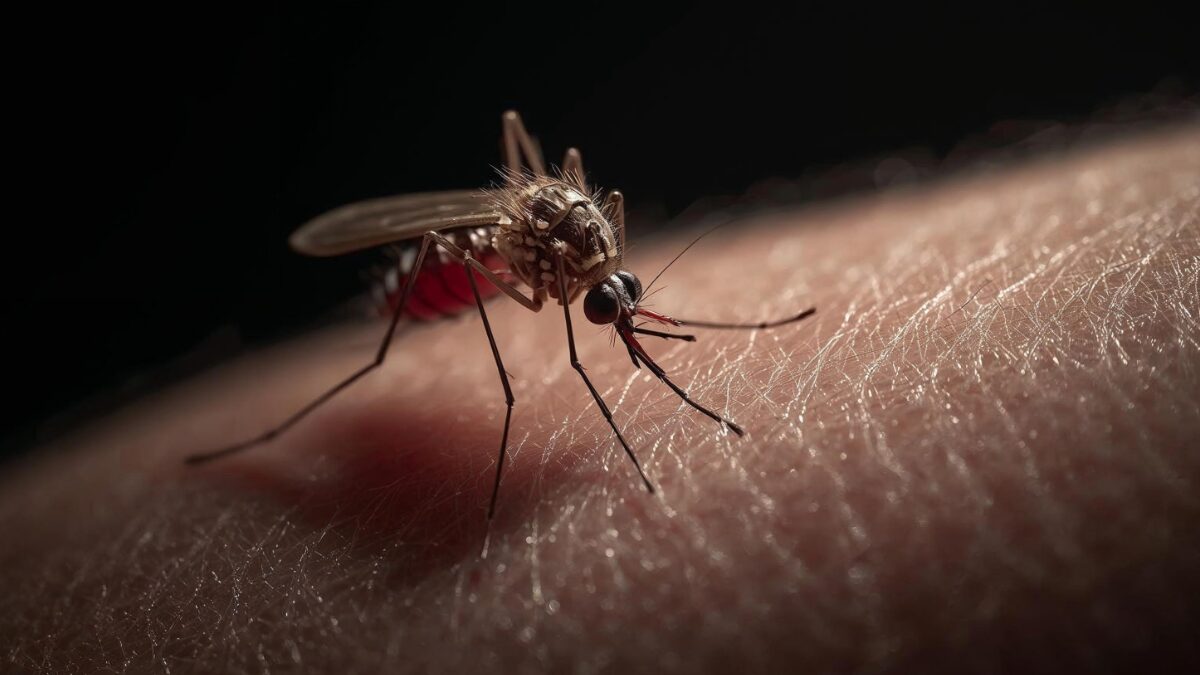
Bashar says this extended rainfall created ideal breeding sites for Aedes mosquitoes, which transmit dengue. Combined with poor mosquito control, rapid urbanization, and consistently warm temperatures, the outbreak became more severe than expected.
“For the first time in the recorded past, November has become such a deadly month,” Bashar said. “The prolonged and delayed rainfall directly contributed to the rise in infections and deaths.”
Climate Conditions Allow Dengue to Thrive
Dengue-carrying mosquitoes flourish in temperatures between 20°C and 30°C. Bangladesh rarely falls outside that range—even during winter—making the country increasingly vulnerable.
Bashar warns that significant relief is unlikely before January next year, when temperatures drop slightly and mosquito activity naturally slows.
A Continuing Public Health Challenge
Bangladesh already faced its worst dengue year in 2023, when 1,705 deaths and over 321,000 cases were recorded. The current trajectory suggests that climate-driven outbreaks may become the country’s “new normal,” unless long-term control measures and climate adaptation strategies are strengthened.
Sources:
- Anadolu Agency
- Directorate General of Health Services (DGHS), Bangladesh
- Bangladesh Meteorological Department
- Philippine News Agency (Original Source): https://www.pna.gov.ph/articles/1263893