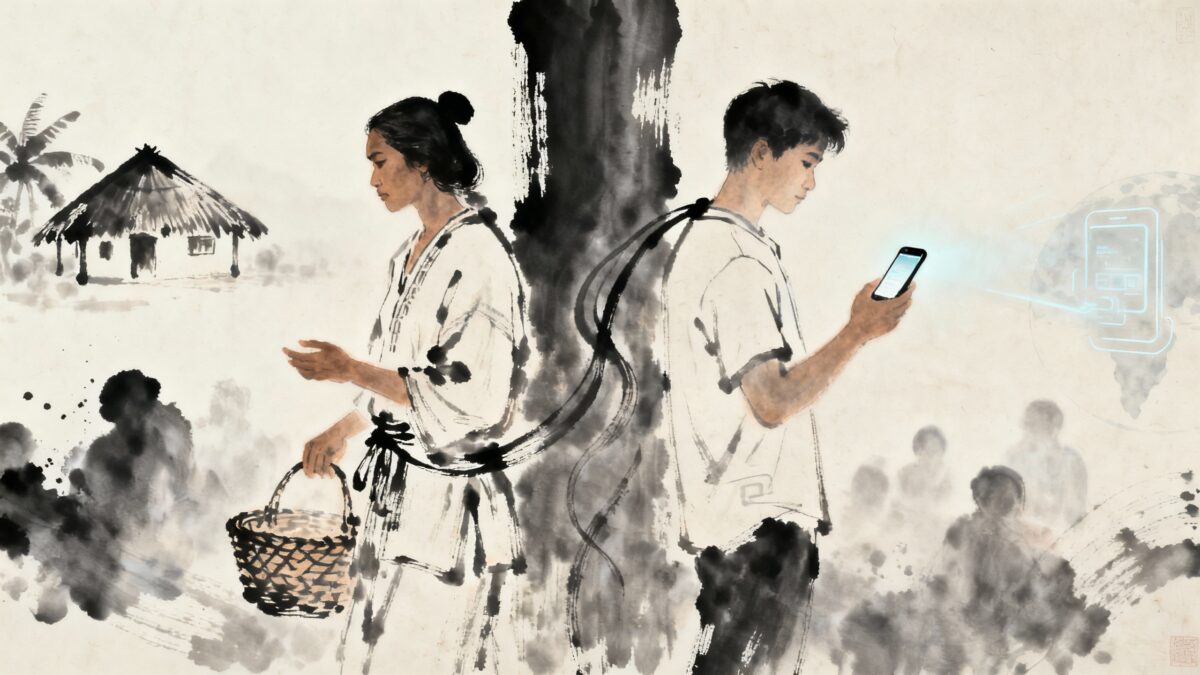
The Philippines Lifestyle today reflects a rich tapestry of traditions, colonial influences, and global trends. From the community-centered spirit of pre-colonial villages to the tech-savvy, creative Filipinos of the modern era, the story of how Filipinos live is one of resilience, adaptation, and pride.
Rooted in Nature: The Pre-Colonial Lifestyle
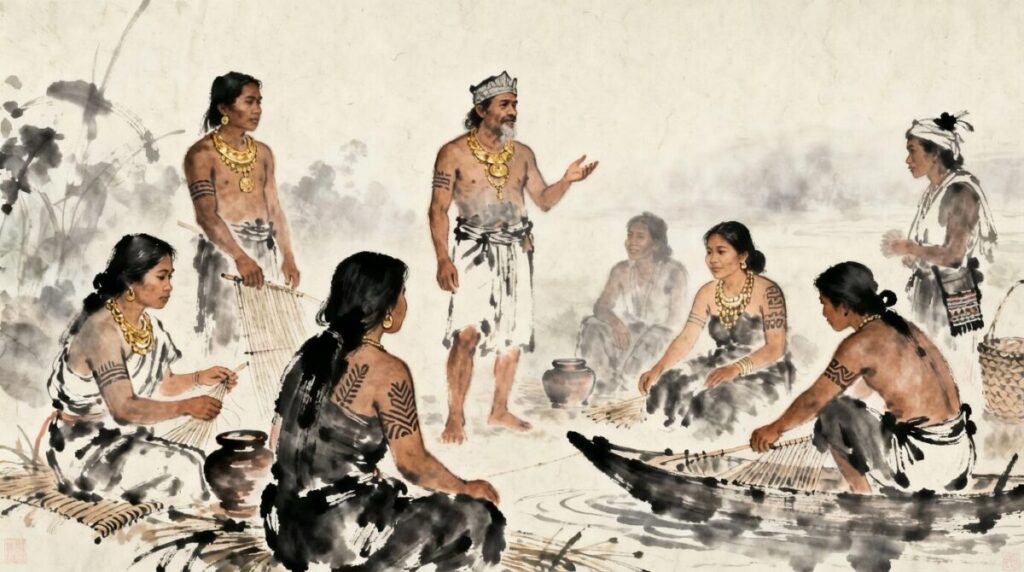
Before colonizers arrived, early Filipinos thrived in barangays led by datus. Life revolved around agriculture, fishing, and trade, while craftsmanship thrived in pottery, weaving, and boat-making.
Beauty, self-expression, and social status were displayed through gold jewelry, tattoos, and handwoven textiles. Women held property rights and had influence in decision-making — a progressive aspect that still resonates in today’s Philippines Lifestyle Community, kinship, and shared responsibility were central values that continue to define Filipino life.
For more on pre-colonial Filipino society, visit the National Museum of the Philippines.
Faith, Fiesta, and Family: Spanish Influence
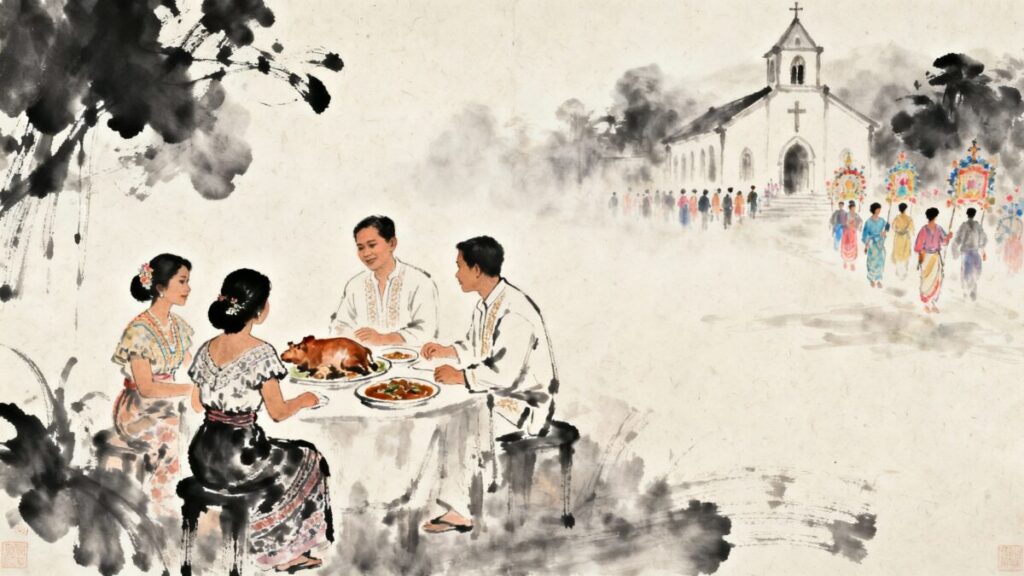
Over 300 years of Spanish rule transformed the Philippines Lifestyle Catholicism shaped daily life, moral values, and family traditions. Fiestas, simbang gabi, and colorful processions became expressions of devotion and community.
Spanish influence also shaped fashion and cuisine. The baro’t saya and barong Tagalog became iconic traditional wear, while dishes like adobo, lechon, and kare-kare blended native flavors with European techniques. Hospitality, respect for elders, and family-centered living deepened, leaving lasting marks on the Philippines lifestyle.
Learn more about Filipino culture under Spanish rule from National Commission for Culture and the Arts (NCCA).
Modernity and Global Culture: American Period
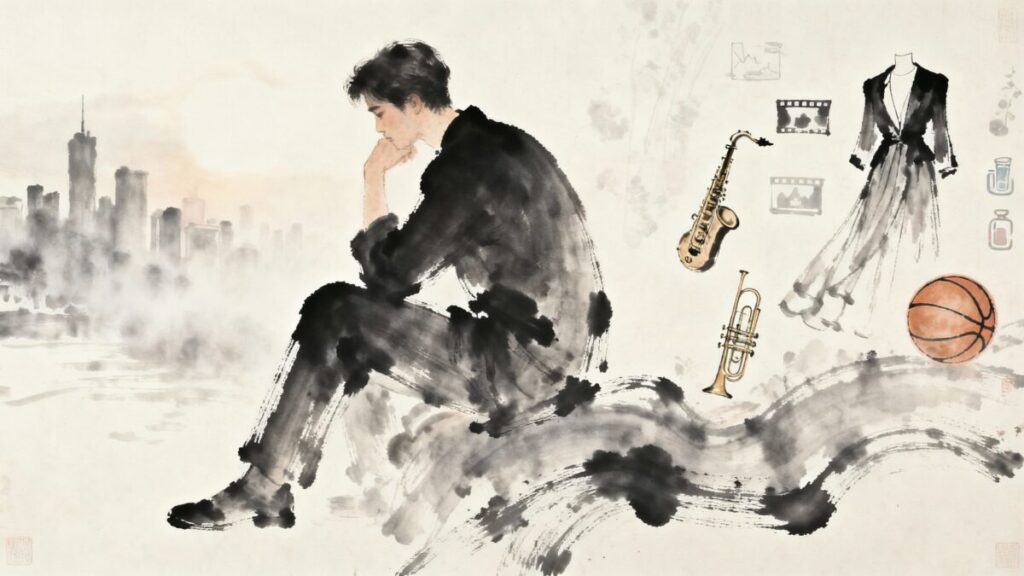
The American colonial period introduced English education, cinema, jazz, and sports like basketball — key influences on the modern Philippines Lifestyle. Urbanization accelerated, and Western-style fashion, popular culture, and modern conveniences shaped daily life.
Filipinos embraced self-improvement and global trends, laying the groundwork for the creative, globally aware society that thrives today. For more insights on modern Filipino trends.
Read more about the American period in the Philippines from Philippine History Online.
Post-War to Martial Law: National Identity and Cultural Revival
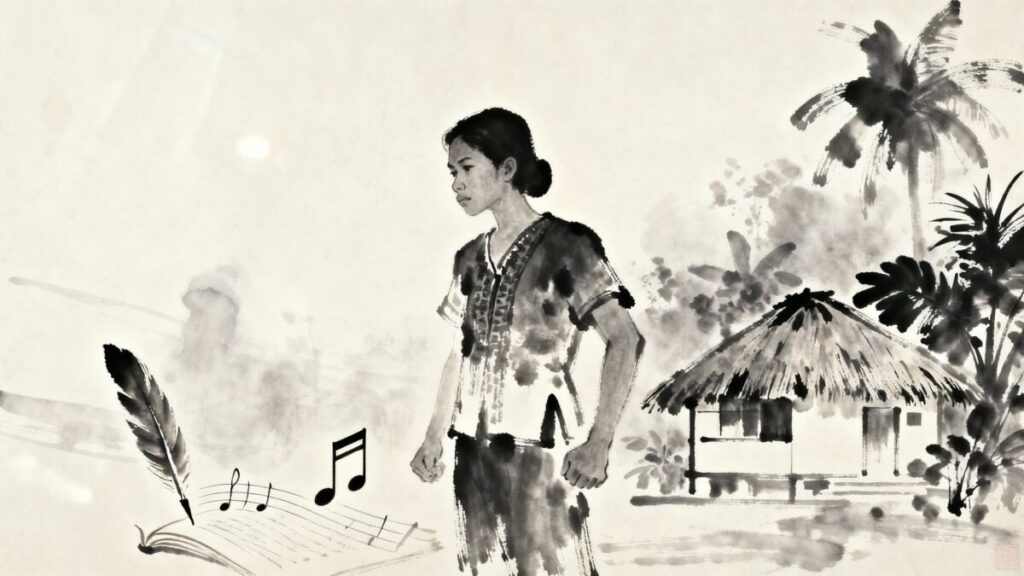
After World War II, Filipinos rebuilt with resilience. The 1960s and 70s saw a revival of Filipino arts, music, literature, and fashion. Architecture blended modernist styles with tropical influences, shaping contemporary homes and public spaces.
National pride and creative expression strengthened, influencing today’s Philippines Lifestyle that celebrates both heritage and innovation.
Explore Filipino arts history through The Cultural Center of the Philippines.
Today: Creativity, Digital Life, and Global Recognition
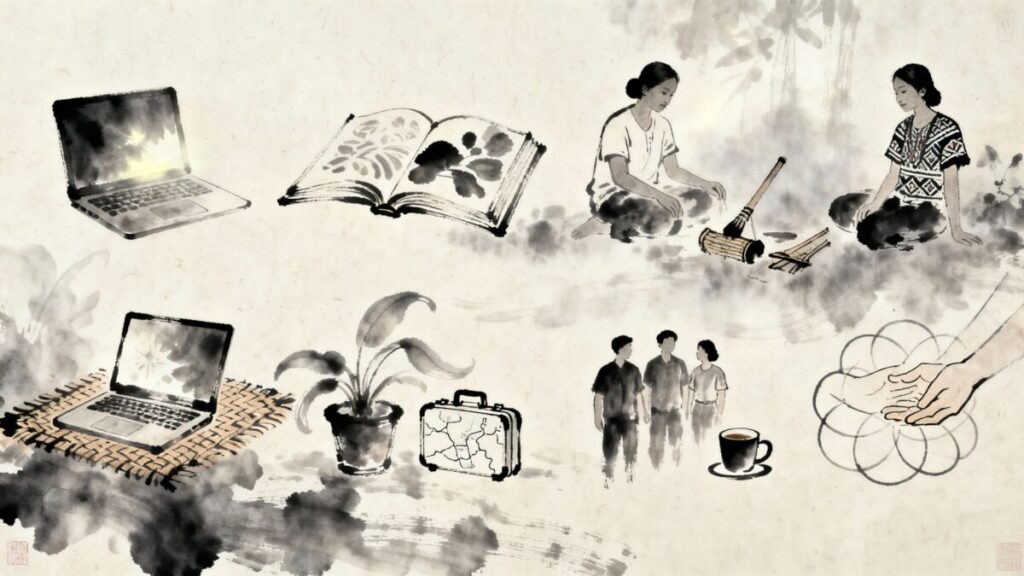
In the 21st century, the Philippines Lifestyle is a dynamic fusion of tradition and modernity. Filipinos are digital natives, cultural storytellers, and trendsetters. Native fabrics, heritage recipes, and traditional crafts are reimagined for global audiences.
Work-from-home culture, wellness, travel, and entrepreneurship define modern life, yet values like pakikisama, bayanihan, and strong family bonds remain central.
For contemporary Filipino culture and creativity, see UNESCO Philippines.
Sources:
Barangay: Sixteenth-Century Philippine Culture and Society by William Henry Scott
National Commission for Culture and the Arts (NCCA)
National Museum of the Philippines
Philippine History and Culture by Teodoro Agoncillo