BAGUIO CITY, Philippines — Another day, another opportunity to discover the richness of the Cordillera’s aquatic resources!
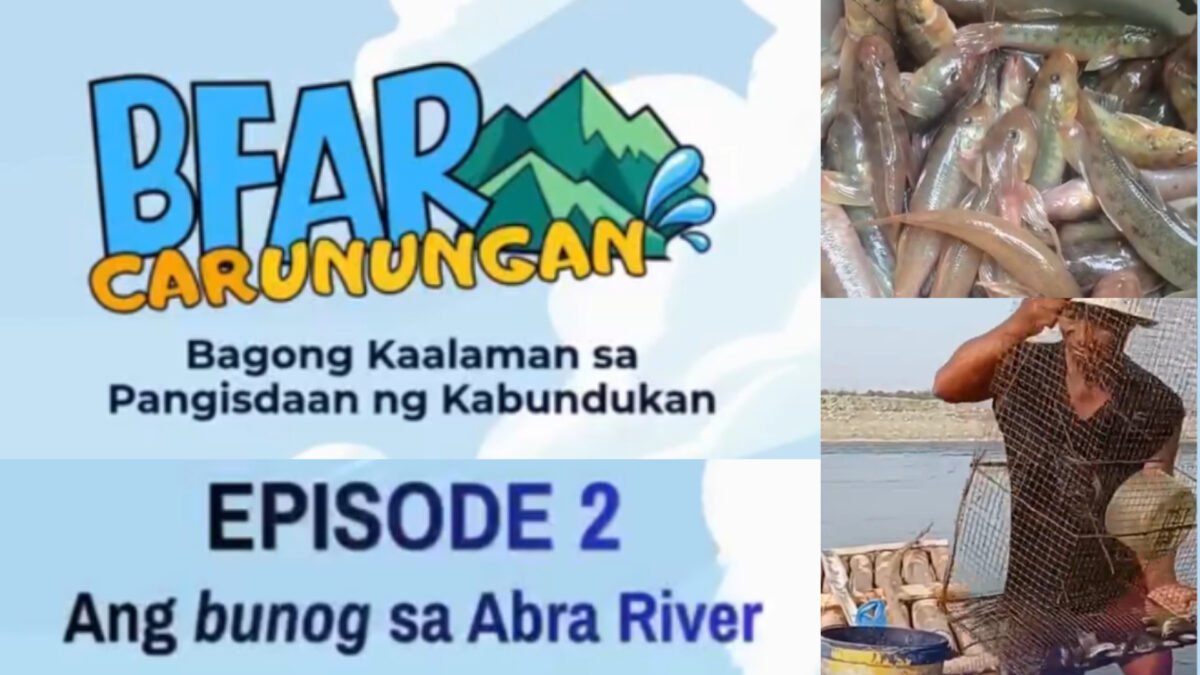
The Bureau of Fisheries and Aquatic Resources – Cordillera Administrative Region (BFAR-CAR) continues to bring fisheries knowledge closer to the public through Episode 2 of #BFARCARunungan: Bagong Kaalaman sa Pangisdaan ng Kabundukan, featuring an important aquatic resource of the region: the bunog of the Abra River.
Beyond being a familiar catch in the river communities of Abra, bunog represents the ecological and economic significance of the river’s freshwater fisheries. It highlights the connection between healthy aquatic ecosystems, local livelihoods, food security, and the preservation of indigenous and community-based fishing practices.
Through this episode, BFAR-CAR aims to deepen public understanding of the importance of the Abra River as a source of aquatic biodiversity and livelihood, while emphasizing the need to protect and sustainably manage its fisheries resources.
The Abra River is more than a body of water. It is a lifeline for communities that depend on its resources. Protecting its aquatic environment means safeguarding not only the species that thrive in it but also the livelihood, food sources, and heritage of the people who call its riverbanks home.
As fisheries resources face increasing environmental pressures, public awareness and responsible fishing practices become even more essential. Every effort to conserve our rivers contributes to the sustainability of fisheries for present and future generations.
With #BFARCARunungan, BFAR-CAR reinforces its commitment to fisheries education, resource conservation, and community empowerment by showcasing the unique aquatic wealth of the Cordillera—one episode at a time.
Know more. Appreciate more. Protect more.
Discover the story of bunog in the Abra River and be part of the movement toward sustainable fisheries and healthier aquatic ecosystems!
Because protecting our fisheries begins with understanding what our waters have to offer.