
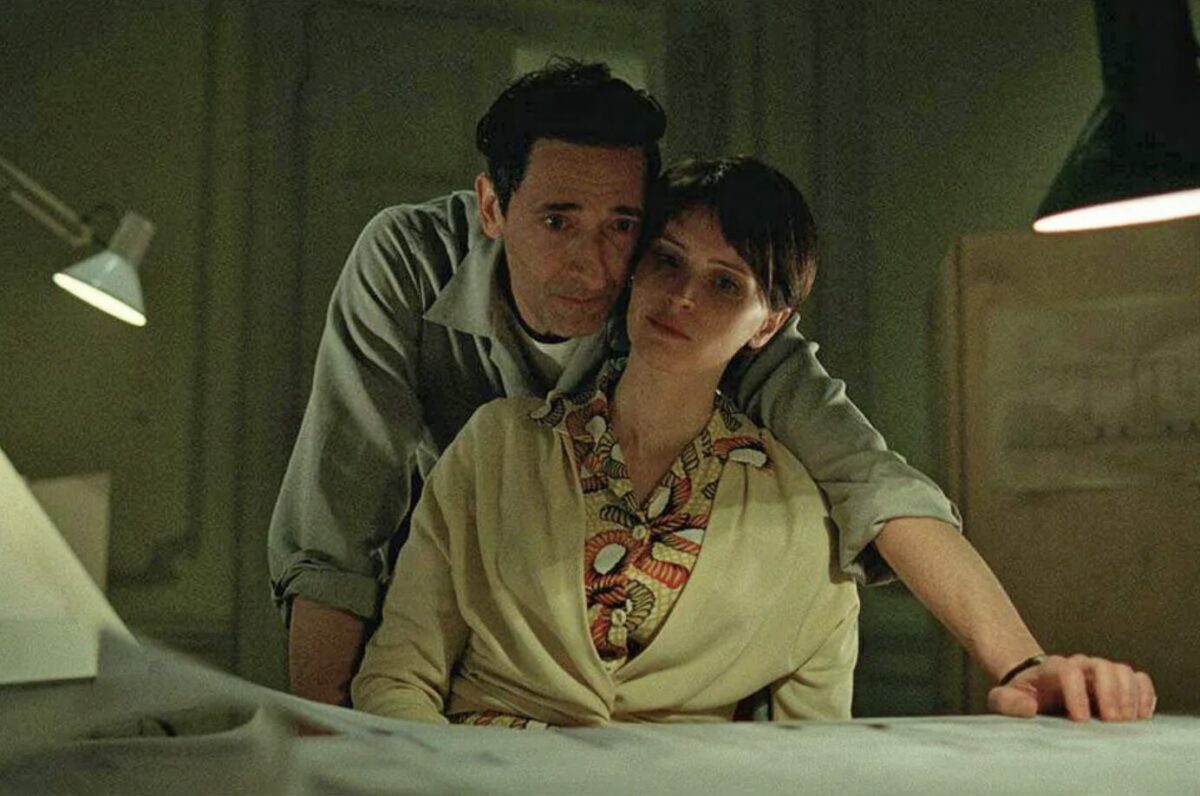
“The Brutalist,” a supposed biopic loosely inspired by Marcel Breuer, is generating Oscar buzz. However, it is not the kind its creators might have hoped for. The film aspires to epic drama, but it collapses under the weight of historical inaccuracies and baffling design choices. Director Brady Corbet’s “amalgam” protagonist, Laszlo Toth, shares superficial similarities with Breuer, such as Hungarian birth, Bauhaus training, and a furniture design background. Even so, the film takes wild liberties with his life and the architectural movement he is supposedly a part of.
Barely Any Brutalism
The central problem? “The Brutalist” barely features any Brutalism. Critics like Alexandra Lange rightly lambast the film for its superficial understanding of the style. Experts like Victoria Young deem the climactic building “early modernist,” not Brutalist, even though the film touts it as Toth’s masterpiece. It’s a glaring misstep, akin to making a Western without horses.
The film’s timeline is equally suspect. It portrays Toth as a post-war Holocaust survivor struggling for work in America. In reality, Breuer and other Bauhaus figures arrived in the US pre-war as established professionals. Moreover, the film depicts Toth as a devout, heroin-addicted religious man, which further deviates from Breuer’s actual life.
Even the film’s technical choices are under scrutiny. Corbet initially claimed that AI created the architectural renderings. Later, he clarified that artists drew them by hand. He admitted to using the technology only for “poor digital renderings” in the epilogue. This is a strange admission that raises questions about the film’s overall aesthetic vision.
An Oscar Contender Despite the Criticism
Despite these criticisms, “The Brutalist” remains an Oscar contender. Some, like architect Robert McCarter, dismiss the historical distortions. Still, the film’s core inaccuracies regarding architecture are hard to ignore. Even the monks of the supposed inspiration, Saint John’s Abbey, seem more amused than impressed by the film’s title. They associate “Brutalism” with “gun parapets” rather than their own church. Ultimately, “The Brutalist” is a misnomer, a historical distortion, and a dramatic failure in its portrayal of both an architect and an architectural style.