It is only mid-November, but in the Philippines, Christmas has been here for weeks. Carols have played on the radio since September 1, malls have been glowing since August, and the first cool mornings of the northeast monsoon are making it feel official. If you are planning your December, here is a guide to the dates, traditions, and small tips worth knowing for Christmas 2026 in the Philippines.
The world’s longest countdown
Filipinos call September to December the “ber” months, and the countdown starts on the first day of September, when radio stations switch to carols and homes put up lights. One Manila shop reportedly began stocking Christmas goods as early as July 31, and SM Supermalls, which runs 90 malls, started setting up ornaments in August.
A University of Santo Tomas sociologist described a rhythm to it: September is for decorating, October is for saving up for gifts and food, and the midnight meal on Christmas Eve is the payoff. He also noted that the long countdown offers a sense of stability and continuity, arriving as the rainy season, with its typhoons and floods, winds down.
The parol, the heart of the season
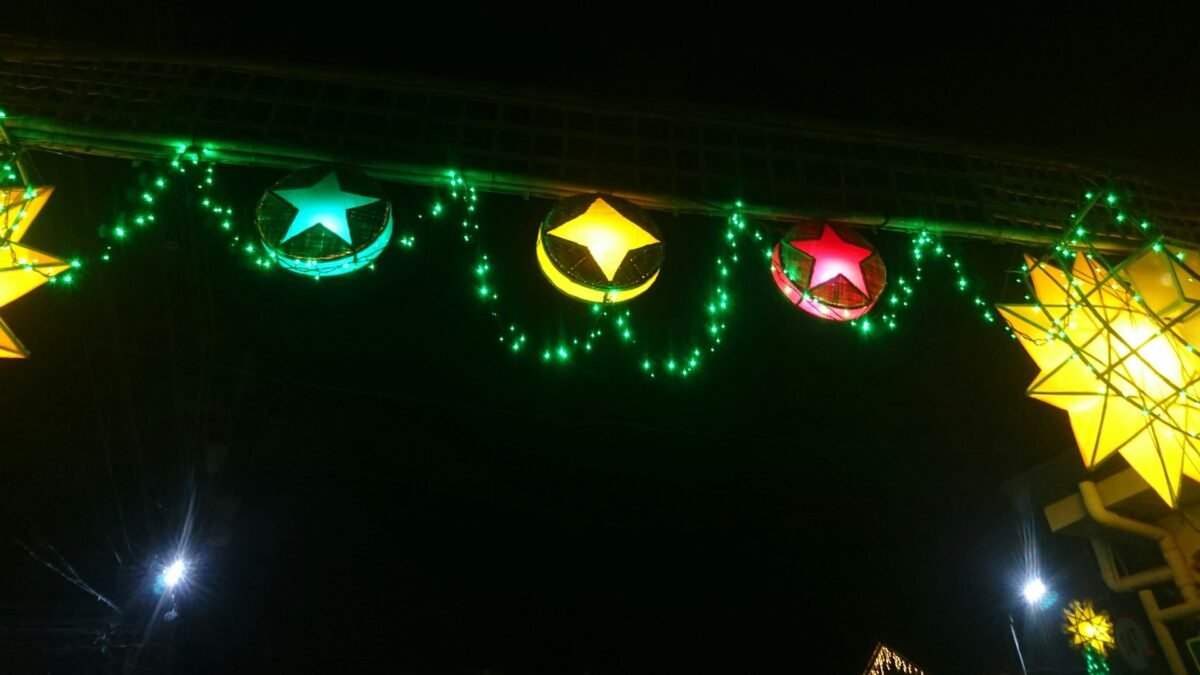
If there is one decoration every Filipino home needs, it is the parol, the star-shaped lantern. Makers in Pampanga kept working this year even through weeks of flooding, including a fifth-generation lantern maker who carries on the family craft.
Pampanga’s capital, San Fernando, is often called the “Christmas Capital of the Philippines,” and its Giant Lantern Festival is typically held in mid-December. Dates can shift, so check with the local government before you plan a trip.
Dates to mark on your calendar
- December 8 (Tuesday): Feast of the Immaculate Conception.
- December 16 to 24: Simbang Gabi, the series of dawn masses leading up to Christmas.
- December 24: The Christmas Eve midnight meal, the big family gathering of the season.
- December 25 (Friday): Christmas Day, which makes for a long weekend.
- January 6: The day decorations traditionally come down, marking the visit of the three magi. Some families keep theirs up all year.
Official holiday designations for the other days around Christmas and New Year are set by government proclamation, so watch for announcements before you book leave or travel.
Cooler nights, but a drier season
The amihan, the northeast monsoon, has officially begun, bringing cooler mornings and lower humidity to parts of Luzon and the Visayas, and the jackets are coming out. It runs from November to March.
This year comes with a catch. A strong El Niño is expected to dampen the season’s cooling and moisture, with rainfall forecast to be 20 to 60 percent below normal through February 2027. If you are hosting a big Christmas Eve spread, a little water-saving in the kitchen goes a long way. We covered the wider picture in our look at the super El Niño and what it means for your home, water, and food.
Coming home for Christmas
More than 100,000 overseas Filipino workers typically return home in time for Christmas, so expect busy airports, terminals, and roads in the weeks ahead. Booking early is the simplest way to take the stress out of the trip.
Small tips for a merrier December
- Set a budget early. One Manila shopper planned around ₱10,000, with prices ranging from ₱300 for tinsel to ₱8,000 for a tree.
- Buy a local parol. It supports craftspeople, and a good lantern can light up your home for years.
- Check schedules. Parishes post Simbang Gabi times, and local government pages list festival dates.
- Book travel early. Seats and bus tickets fill up fast the closer you get to December 24.
- Save water when hosting. It is a small habit that helps during a dry season.
Whether you spend the season at a dawn mass, a lantern festival, or around a crowded dining table, the Filipino Christmas is really about being together. With six weeks to go, there is still plenty of time to plan one worth remembering.
Sources
- Agence France-Presse via Daily Tribune, “Ring in the world’s longest Christmas season” (September 9, 2026)
- Agence France-Presse via Malay Mail, “Christmas comes early in the Philippines as ‘Ber’ months kick off four-month countdown” (September 9, 2026)
- Khaleej Times, “Philippines welcomes cooler nights as Christmas winds arrive” (October 28, 2026)
- Lakwatsera ng Ligaw, “Philippine Festivals in December 2026”