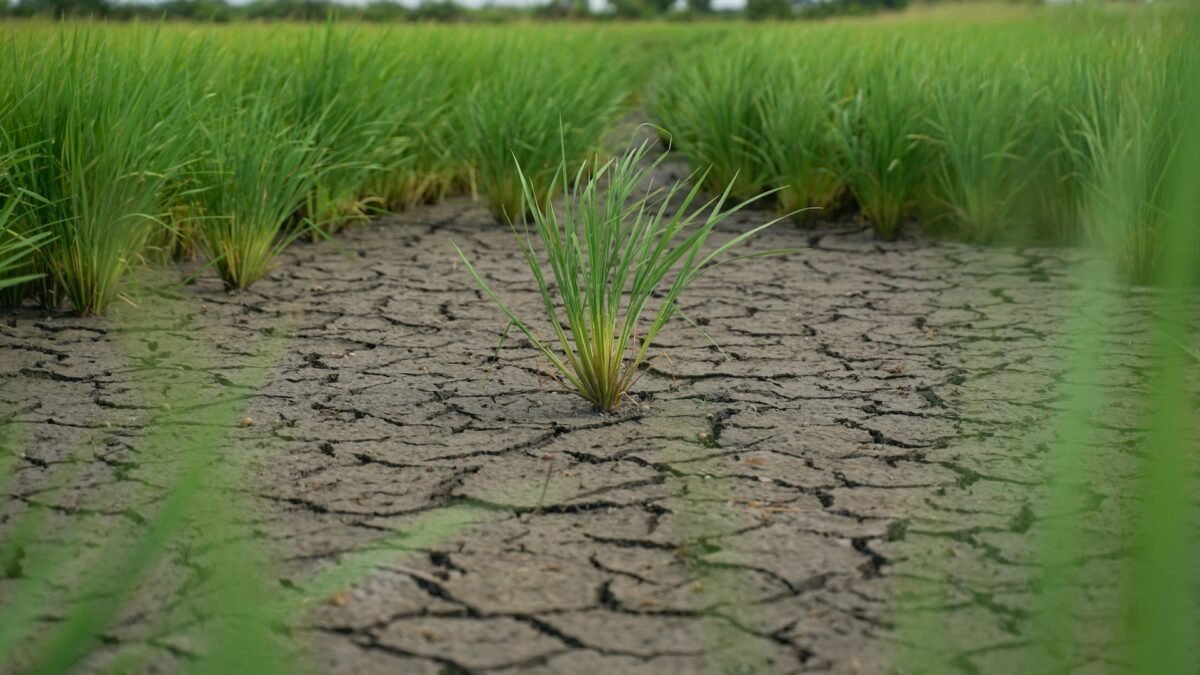
The “Ber” months are supposed to bring cooler breezes and the first hints of Christmas. This year, many Filipinos are getting something else: cracked fields, tighter water supply, and a weather forecast that officials describe as one of the strongest El Niño events on record. In mid-September, US climate scientists said the event had crossed the threshold for a “very strong” El Niño, the category many call a super El Niño.
Here is what is happening, where it is hitting hardest, and what it could mean for your home, your water bill, and your plate.
What a “super” El Niño means
El Niño is a warming of the central and eastern Pacific Ocean that disrupts weather patterns across the world. For the Philippines, it usually means below-normal rainfall, and, in a strong event, long dry spells and drought. PAGASA has said it typically means fewer tropical cyclones too, although the ones that do form can still reach typhoon strength.
This event began developing around June. Back in July, PAGASA put the chance of a very strong El Niño between October and January at 81 percent, and the chance that El Niño conditions would last through the first half of 2027 at 97 percent. Officials now expect the effects to run well into next year, with the harshest stretch for farms projected between January and April 2027.
Where the dry weather is already biting
At a United Nations briefing in Makati on October 22, officials said drought has hit nine provinces: Albay, Camarines Norte, Camarines Sur, Catanduanes, Leyte, Negros Oriental, Samar, Siquijor, and Misamis Oriental. Another 32 provinces are under a dry spell and 14 are experiencing dry conditions. So far, 109 areas have declared a state of calamity so local governments can unlock emergency funds.
The western side of the country lost its rain first, and its dry spell is expected to last until the first quarter of 2027. Parts of the Visayas and Mindanao may stay dry even as the rainy season eases elsewhere.
The farm toll, and what it could mean for your plate
The Department of Agriculture’s October 21 bulletin put El Niño crop losses at ₱8.57 billion, up from ₱6.87 billion less than a month earlier. More than 288,000 farmers and about 291,000 hectares of farmland have been affected, with roughly 220,000 metric tons of production lost across 14 regions.
Corn has taken the biggest hit at around ₱5 billion, followed by rice at ₱2.95 billion. Vegetables, spices, legumes, and fruit such as banana and pineapple account for another ₱571 million. These losses are still a small slice of the national targets, but Agriculture Secretary Francisco Tiu Laurel Jr. has warned of a worst case of up to ₱20 billion in losses across 350,000 hectares. The department also projects a potential loss of 700,000 metric tons of palay in the second half of 2027, roughly the annual rice needs of 3.6 million Filipinos.
For households, that is the part to watch. Farm losses tend to reach the grocery aisle through supply and prices, and the department has described a “perfect storm” of climate stress, higher fuel and fertilizer costs, and global shocks.
Water, heat, and everyday life
In early October, the National Water Resources Board said Metro Manila’s water supply could dip to 44 cubic meters per second, below the usual 50 to 53, and the two water concessionaires reported tighter supply or service interruptions in some areas. Officials have also flagged possible effects on energy demand and workforce productivity as temperatures climb.
Heat is a health matter, too. Long exposure to high temperatures can lead to dehydration and exhaustion, so the usual advice applies: drink water, rest in the shade, and avoid strenuous activity in the afternoon.
What the government says it is doing
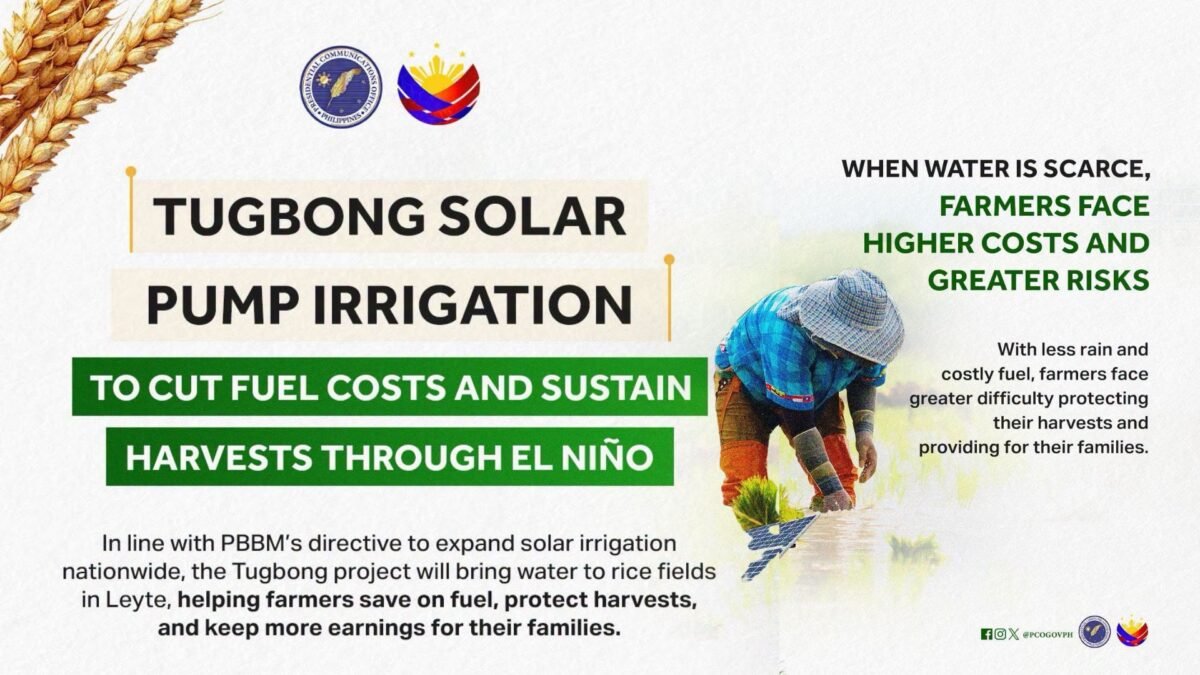
President Marcos has said the country is better prepared than it was during the 2024 El Niño, noting that dam levels are higher than at the start of that year. The government is fast-tracking solar pump irrigation, with about 3,000 systems set up nationwide, and says irrigation now covers around 70 percent of irrigable farmland. The Department of Agriculture has released billions in production support and crop insurance payouts, is installing water pumps, and is running cloud seeding operations.
The Office of Civil Defense is positioning relief supplies such as bottled water, rice, and water filtration units, while the Department of Health says hospitals have no energy or water problems for now. There is still debate over a wider response: senators have urged a national state of calamity and the agriculture secretary has backed the idea, but at the time of writing no such declaration had been reported. Aid delivery is also a work in progress; as of October 6, about 2.53 million of 11.12 million targeted beneficiaries had received assistance.
Small steps for your household
- Fix leaky faucets and toilets, and collect rinse water for plants or cleaning.
- Avoid panic-buying bottled water; steady, calm conservation helps the whole neighborhood.
- Keep water containers clean and covered so stored water stays safe.
- Stay hydrated, and plan outdoor errands for cooler hours of the day.
- Buy local produce when you can, and waste less food while supplies tighten.
El Niño is not a surprise this time, and that is the one real advantage Filipinos have. With the peak still ahead, the next few months are the moment to prepare, conserve, and look out for neighbors who rely on the land.
Sources
- Daily Tribune, “UN, gov’t agencies bare actions to Very Strong El Niño” (October 26, 2026)
- Philstar.com, “Government fast-tracking projects to minimize El Niño impact” (October 24, 2026)
- The Manila Times, “Perfect storm threatens agriculture” (October 22, 2026)
- Astig.ph, “El Niño farm damage jumps to P8.57 billion as PAGASA warns of a 2027 peak” (October 2026)
- GMA News, “Very strong El Niño likely from October 2026 to January 2027 — PAGASA” (July 28, 2026)
- Al Jazeera, “El Nino reaches super status: Where will it bring rain, drought and heat?” (September 15, 2026)
- Rolling Stone Philippines, “‘Super El Niño’ Could Persist Into Early 2027. What Filipinos Need to Know” (October 5, 2026)